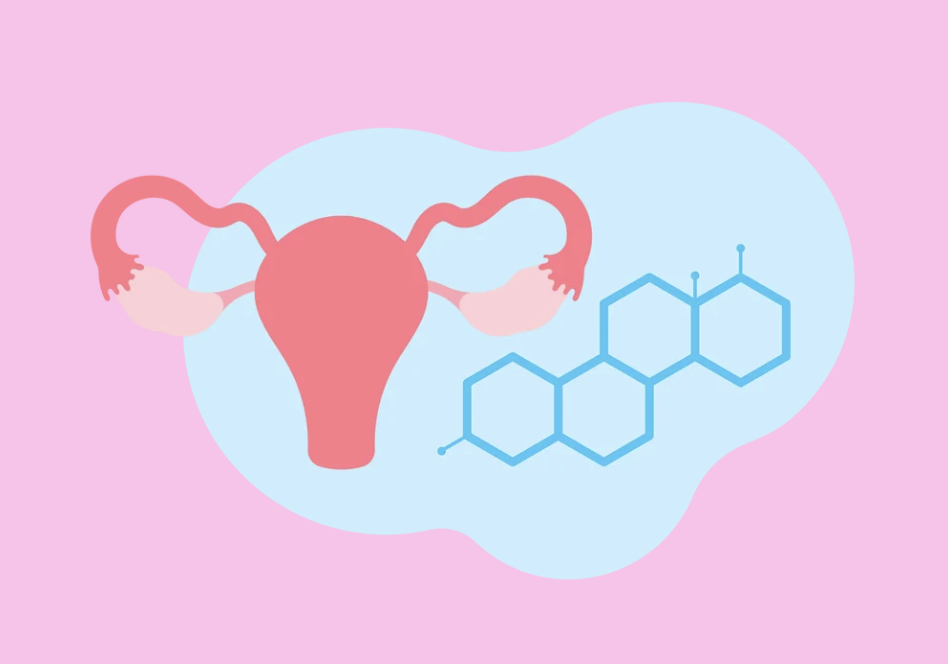
If you've ever had period cramps, you might have wondered why menstruation can be so painful. The answer actually comes down to hormones, chemicals, and muscle contractions happening inside the uterus.
What actually causes cramps?
During the menstrual cycle, your uterus builds up a lining called the endometrium. This lining is cushioning the uterus to provide nutrition and protection for a possible fertilized egg. However, if pregnancy does not occur, your uterus sheds this lining regularly.
So, to help remove the lining, your uterus contracts. These contractions are triggered by chemicals called prostaglandins, which are produced in the uterine lining. If you happen to have larger amounts of prostaglandins, you can have stronger contractions.
Why can these contractions cause pain?
Prostaglandins also cause blood vessels in the uterus to narrow, reducing blood flow. These strong contractions and decreased oxygen flow to the muscles in your uterus can contribute to the painful sensation of cramps because they activate pain receptors.
Prostaglandin levels decrease as your uterine lining sheds, which helps explain why cramps and pain are the strongest during the first couple of days of your period.
Not everyone experiences cramps the same way; this is because not everyone produces the same amount of prostaglandins.
What if my period hurts too much?
Sometimes you can have excess amounts of prostaglandins, a condition called dysmenorrhea. It's best to consult your doctor about any abnormalities in period pain.
A Simple Explanation
Chemicals called prostaglandins cause uterine contractions that affect blood flow and activate pain receptors.