Emma entered the nurse's office, her lower abdomen seizing in pain. Somehow it gets more and more painful every month, she thought. "What brings you in today, Emma?" asked the nurse. "I'm on my period, and well...it just hurts so badly. Can I have Ibuprofen?" Emma winced as she felt the pain float into her lower back too.
"Sure. The pain is normal," replied the nurse, handing her the pain reliever. "It's just cramps."
So Emma took the pill, trying her best to ignore the debilitating pain and heavy blood flow. What Emma didn't know was the cost of calling her severe period pain "normal." No one asked how often she missed class, whether the pain worsened every month, or whether "just cramps" had begun controlling her life.
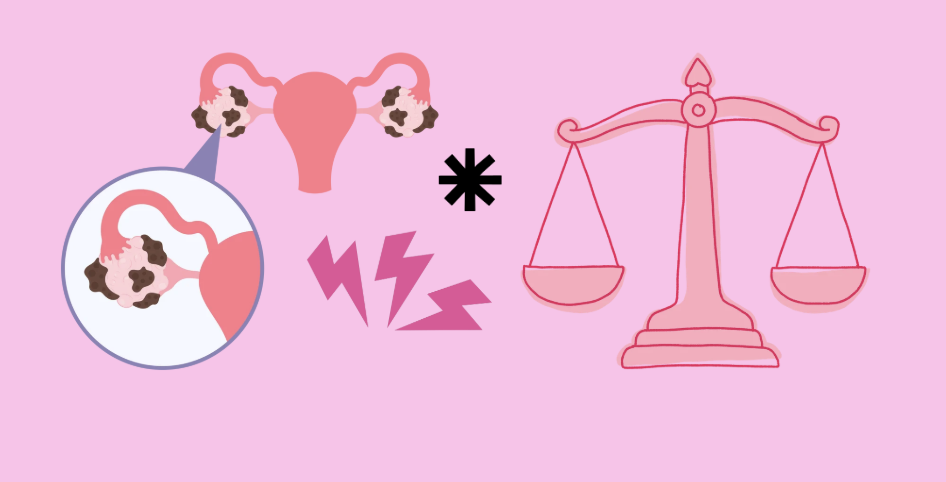
In many women, tissue similar to the lining of the uterus can grow outside the organ, eventually becoming swollen and bleeding during each menstrual cycle. However, since the lining can no longer leave the body like it normally does (when you have your period, lining inside the uterus gets shed along with the blood), it creates scar tissue, severe pain, swelling, and even infertility. This condition is known as endometriosis.
Endometriosis can be extremely difficult to identify, even though one in 10 women of reproductive age in the US and 10% of women worldwide are affected by it. Like Emma, many women experience severe discomfort and pain, yet do not know they have the disease because cramps and pain are often normalized. Additionally, symptoms of endometriosis are similar to those of irritable bowel syndrome, ovarian cysts, and more. Endometriosis can also be difficult to detect through imaging. Although ultrasounds and MRIs may reveal certain forms of the disease like deep lesions, normal results do not necessarily rule it out, so it could lie undetected or misdiagnosed for a long time.
The public health consequences of endometriosis are extensive. Yale endometriosis expert Hugh Taylor called endometriosis a "whole body disease" because it affects multiple organ systems: women with endometriosis have shown increased depression and anxiety, along with infertility, intestinal irritation, and more. Women with endometriosis might miss school or work due to severe pain, missing out on education and important friendships or relationships. Moreover, endometriosis receives disproportionately less funding than other fields of research despite how many women it affects. For example, Crohn's disease received more than 30 times more NIH funding per patient than endometriosis did in 2022, which emphasizes the dramatic gap between the burden of endometriosis and the resources devoted to studying it. This systemic underfunding and lack of research is a critical reason for why so many women are misdiagnosed and told that their pain is "normal."
Better menstrual education should teach women not only how periods work, but also how to recognize when something is wrong. Pain that repeatedly prevents women from attending school, working, sleeping, or participating in daily life deserves medical attention. Patients should feel empowered to document their symptoms and seek help, but this is not just their responsibility. Schools, healthcare professionals, researchers, and policymakers must listen, investigate, and invest in better answers. The fight towards better funding, research, and treatments for endometriosis is long, but with increased awareness, education, and public advocacy, we can help catch endometriosis as early as possible. Periods can hurt. But when pain begins controlling someone's life, it should never be dismissed as "just cramps."